


What if You Can Not Return After 12 Weeks of FMLA?
January 12, 2026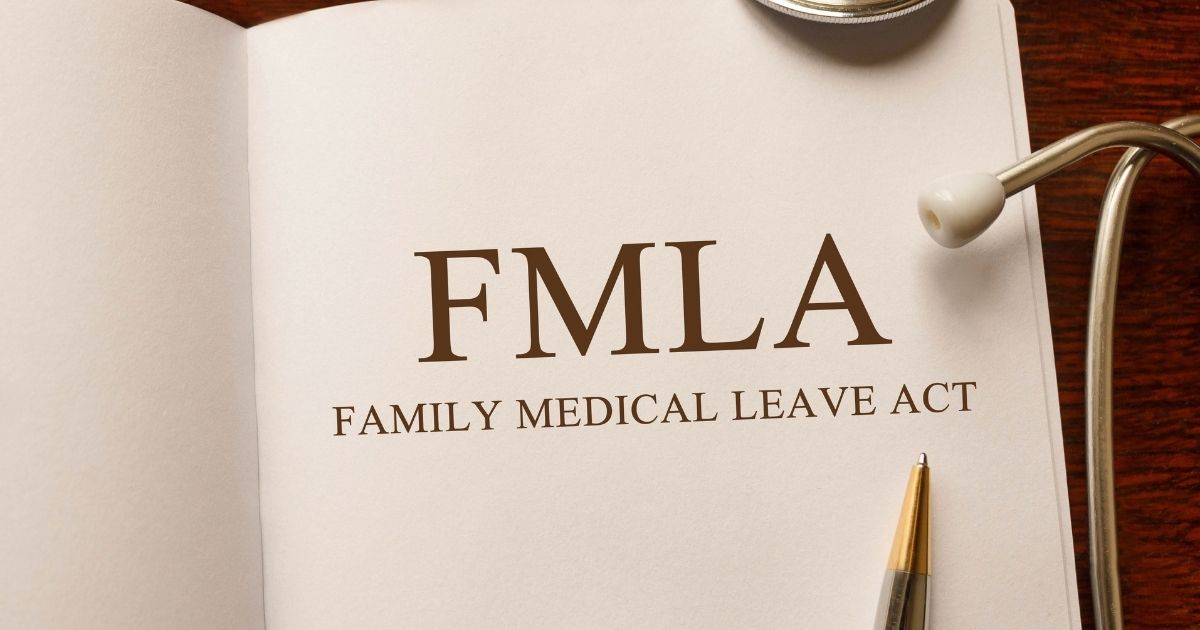
If you are going through a health crisis, caring for an ailing family member, or you have experienced a major life event like the birth of a child, the Family and Medical Leave Act (FMLA) allows you to take 12 months of unpaid, job-protected leave without losing your health benefits. However, while this provides a critical safety net, recovery times can fluctuate depending on the nature and severity of your health issue. If you are suffering from a serious or chronic medical condition, you may not be medically cleared to return to work after 12 weeks. Once you have exhausted your FMLA leave, your employer is not legally required to hold your job, which can be personally and financially devastating if you are terminated. An experienced FMLA lawyer will discuss your options and ensure that you receive the maximum benefits to which you are entitled.
What Is the Family and Medical Leave Act?
The “Family and Medical Leave Act (FMLA)” is a federal law that allows you to take up to 12 weeks of unpaid leave over a 12-month period. In addition, when you return, you must be reinstated to your former position, or an equivalent position that has the same salary and benefits. While you do not collect a salary during FMLA leave, your employer is required to continue paying your benefits.
FMLA applies to all public agencies, including local, state, and federal employees, and local education agencies. Private sector employees must provide FMLA benefits if they have 50 or more employees for at least 20 workweeks in the current or previous calendar year. This includes joint employers and successors of covered employers.
Who Is Eligible to Take FMLA Leave?
In order to take FMLA leave, you must meet the following requirements:
- You must be employed by a covered employer.
- You must have worked 1,250 hours during the 12 months prior to the start of the FMLA leave. If you work for an airline as a member of the flight crew, special hours of service may apply.
- You must work at a location where the employer has at least 50 employees within 75 miles.
- You must have worked for your employer for 12 months. The 12 months of employment do not need to be consecutive in order for you to qualify for FMLA leave.
What Are the Most Common Reasons Why Employees Take FMLA Leave?
There are a number of scenarios that would warrant an employee taking time off from their job. FMLA can make that decision a bit easier, knowing that the time away from their job will not jeopardize their employment. The following are some of the most common reasons why employees take FMLA leave:
- Birth of a child. Parents may use FMLA leave to bond with their child after giving birth, or after a surrogate gives birth to their child.
- Adoption. Parents may also use FMLA leave after adopting a child, or before the actual placement of the child, if they must travel to another country, attend counselling sessions, or other appointments necessary to complete the adoption.
- Serious health condition. If an employee is suffering from a serious health issue that makes it impossible to perform their job responsibilities, they may take FMLA leave, whether they are unable to work at all or unable to perform specific functions of their job. For example, an employee may take FMLA leave for conditions ranging from debilitating migraine headaches to chronic illnesses that make them occasionally unable to work.
- Caring for a family member with a serious health condition. FMLA is available to employees who must care for a child, spouse, or parent who is suffering from a serious health condition. FMLA leave allows the employee to ensure that their basic health, nutritional, and safety needs are met, and provide their loved one with psychological comfort.
- Qualifying exigency. If an employee’s spouse, child, or parent is deployed to a foreign country or called to active-duty status as a member of the National Guard, Reserves, or Regular Armed Forces, they may take FMLA leave.
What if I Have Not Been Medically Cleared When My FMLA Leave Ends?
Once you reach the end of your 12-week leave, FMLA protections no longer apply, and you are expected to return to work. However, if you have not been cleared to return to work by your healthcare provider, and you require additional time off, it is important that you discuss the situation with your employer as soon as possible. Depending on the nature of your health condition, there are legal options that can extend your leave, providing additional job protection as your health continues to improve. The following are ways that you may be able to extend your leave if you are not yet able to return to work:
- Americans With Disabilities Act (ADA). This may provide you with additional unpaid leave, provided you meet the following requirements:
– You have a qualifying disability under the ADA standards.
– There is a reasonable expectation that you will be able to return to work.
– Your absence will not cause undue hardship on your employer. - State family leave laws. The New Jersey Family Leave Act (NJFLA) provides additional time off after the FMLA 12-week leave has been used. You can take up to 12 weeks of job-protected leave if you work for a state or local government agency, or an organization with at least 30 employees worldwide, and you have been employed by the company for one year or more. While NJFLA does not cover leave for your own serious health condition, it does allow you to take time off from work to care for, or bond with a child, care for a family member who has a serious health condition, or care for your child in the event of a state of emergency or school closing. You can get up to 24 weeks of leave by stacking FMLA leave with NJFLA leave, assuming you meet the legal requirements. For example, you may use FMLA leave while recovering from a C-section, then stack NJFLA for bonding with your child, giving you a total of 24 weeks of leave.
- Employer policies extending beyond FMLA. Your employer may be willing to work with you and offer additional unpaid leave, extended health coverage, and flexible or phased return-to-work programs.
How Do I Request Additional Leave After FMLA Has Been Used?
If you have reached the end of your 12-week FMLA leave, and you are not yet able to return to work, there are steps you will need to take to ensure that you avoid any misunderstandings with your employer and that you are able to secure the additional time off that you need. To do so, you should take the following steps:
- Submit a formal request to your employer, either in writing or via email. Mention that your FMLA leave has been used, and that you are requesting extended leave.
- Apply for ADA leave. If your need for additional time off from work is due to a medical condition, you can request unpaid leave as a reasonable accommodation under the ADA. Your employer must consider your request unless it causes an undue hardship.
- Collect medical documentation. You will likely need to provide medical certification from your healthcare provider, explaining the need for additional time off. It is important that you cooperate with every step of the recertification process. You will need to gather copies of your medical records from your healthcare provider, explaining the nature of your medical condition, why you require additional time off from work, and an expected timeline for your return.
Can I Be Terminated by My Employer at the End of My FMLA Leave?
In most cases, your employer is not legally required to hold your position if you require additional time off. However, this does not mean that your employer can immediately terminate you at the end of your 12-week leave. Before your employer can proceed with termination, they should determine whether there are any other protections that may apply and that the decision to terminate is consistent with federal and state laws, as well as company policies. While termination may occur if your position would have been eliminated due to company-wide layoffs or downsizing, it is highly recommended that you contact an experienced FMLA lawyer if you believe that your termination could be an FMLA violation.
What Should I Do if My Employer Does Not Reinstate Me After FMLA Leave?
It is important to understand the fact that there are limitations to the FMLA protections. Your employer may deny reinstatement if you are unable to return to work after 12 weeks of FMLA leave. However, if you are returning to work after the 12-week window, and your employer refuses to reinstate you, this may be a violation of your legal rights. It is in your best interest to contact an FMLA lawyer who will determine whether your rights have been violated and your employer is legally obligated to reinstate you to the same position and at the same pay.
Our Cherry Hill FMLA Lawyers at The Gold Law Firm P.C. Advocate for Your Employment Rights
If you have questions or concerns about FMLA leave, and whether you can extend your leave if you are unable to return to work after 12 weeks, do not hesitate to contact our Cherry Hill FMLA lawyers at The Gold Law Firm P.C. We will discuss the details of your medical condition, ensure that your legal rights are protected, and recommend the best legal course of action that will allow you to secure the additional time that you require. To schedule a free consultation, call today at 215-569-1999 or contact us online. With office locations in Pennsauken, New Jersey, and Philadelphia, Pennsylvania, we proudly serve clients in the surrounding areas.