


Employment Contract Mistakes Employees Should Avoid
October 17, 2025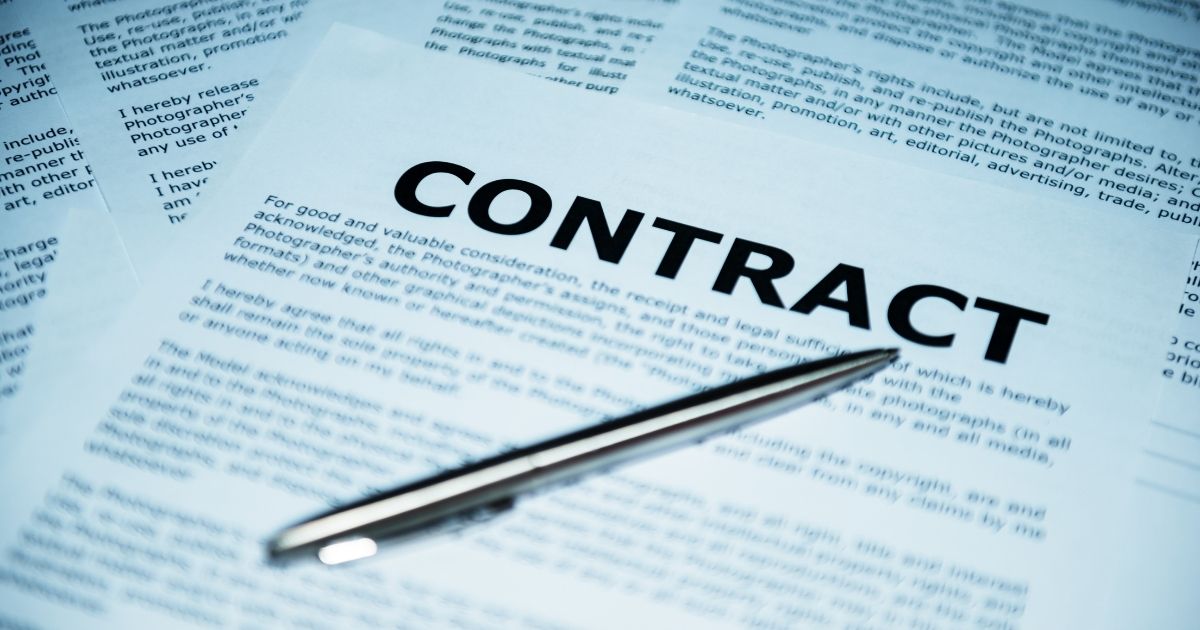
Employment contracts set the foundation for your job, but poorly drafted agreements can lead to misunderstandings, disputes, and even legal problems. Here are some of the most common issues employees should watch for:
-
Ambiguous Job Duties
Many contracts include language like “other duties as assigned” without clearly defining your core responsibilities. This ambiguity can leave you unsure of what is expected and make it easier for an employer to claim underperformance. Make sure your contract clearly outlines your main tasks, reporting structure, and performance expectations before signing.
-
Lack of Clarity in Pay Structure
Compensation isn’t just about your base salary. Contracts should clearly explain how and when bonuses, commissions, overtime, or reimbursements are paid. Employees should know whether commissions are paid monthly or quarterly and when overtime applies (typically after 40 hours per week under U.S. labor law). Clear pay terms prevent confusion and protect your earnings.
-
Undefined Terms for Ending Employment
Some contracts don’t specify notice periods for voluntary resignation or outline grounds for termination. They may also omit information about severance pay, continuation of benefits, or returning company property. Make sure your contract clearly explains how employment can end and what your rights are in those situations.
-
Overly Restrictive Covenants
Non-compete and non-disclosure clauses can protect a company, but overly broad restrictions may be unenforceable. For example, a non-compete preventing you from working anywhere in the state for several years could be considered unreasonable. Ensure these clauses are narrowly tailored in terms of scope, location, and duration so they don’t unfairly limit your future opportunities.
-
Unclear Ownership of Intellectual Property
Contracts sometimes fail to clarify who owns work you create, including inventions, written materials, or creative content. Without clear language, disputes over copyrights, patents, or trade secrets could arise. Make sure the contract specifies what belongs to the company and what you are allowed to keep, especially if your role involves creative or technical work.
-
Failure to Address Remote or Hybrid Work
Traditional contracts may not cover modern work arrangements. If you plan to work remotely, your contract should address equipment, home office stipends, data security, technology use, confidentiality, and expectations for availability. Clear terms help avoid misunderstandings about responsibilities while working outside the office.
-
Weak Protection of Confidential Information
Contracts should clearly define what information is confidential, how long protection lasts after employment ends, and any exceptions, such as disclosures required by law. Knowing your obligations helps you avoid accidentally violating confidentiality rules while protecting company information.
-
Poor Integration of Policies and Benefits
Many contracts reference separate documents like employee handbooks or benefits summaries without specifying which version governs. These documents often outline vacation, sick leave, retirement contributions, and other benefits. Your contract should clarify how updates to these documents are communicated to ensure you understand your rights.
-
Inadequate Dispute Resolution Provisions
Some contracts do not explain how disputes are handled, whether through mediation or arbitration, and who bears the costs. Clear procedures for resolving conflicts can save time, protect your rights, and reduce legal expenses.
Work with Our Experienced Cherry Hill Employment Lawyers at The Gold Law Firm P.C.
Employment contracts impact every aspect of your job, and even small wording issues can lead to serious problems. Our Cherry Hill employment lawyers at The Gold Law Firm P.C. can review your contract and help ensure your rights are protected. Call 215-569-1999 or fill out our online form for a free consultation today. We have offices in Pennsauken, NJ and Philadelphia.